
Compare Local Contractors for Rolled Insulation Services
Compare local contractors for rolled insulation to clarify project scope, verify experience, and establish clear expectations before choosing the right service provider.
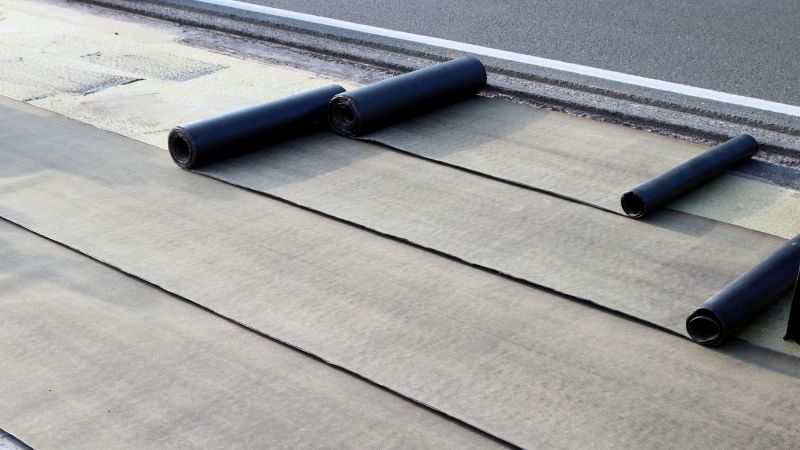
Rolled insulation services typically involve installing large rolls or batts of insulating material within walls, attics, floors, and ceilings to improve a property's thermal efficiency. This work focuses on properly fitting and securing insulation to reduce heat transfer, enhance energy conservation, and maintain consistent indoor temperatures. Contractors may also evaluate existing insulation, remove old or damaged materials, and ensure the installation meets the specific needs of the building’s structure and usage. Understanding the scope of rolled insulation work helps property owners ensure that the installation aligns with their goals for comfort and energy savings.
Defining the scope of rolled insulation projects is essential to establish clear expectations and avoid misunderstandings. A detailed scope includes identifying the areas to be insulated, the type and thickness of insulation, and any additional work such as vapor barriers or air sealing. Communicating these details in writing with prospective contractors helps ensure everyone is aligned on what the project entails. It also provides a basis for comparing different service providers’ approaches and experience, making it easier to assess which contractor has the relevant expertise to meet the specific requirements of the property.
When comparing local contractors for rolled insulation services, property owners should consider their experience with similar projects and their understanding of local building codes and practices. Verifying how each contractor plans to approach the job, including their methods and materials, can reveal differences in quality and attention to detail. Gathering information about their previous work and asking for references can provide insights into their reliability and professionalism. By reviewing these aspects and requesting detailed written proposals, property owners can make informed choices that best match their project needs and ensure a successful insulation upgrade.
Compare local contractors by outlining your project priorities, verifying experience, and setting clear expectations in writing.
- Compare Contractor Experience - review the background and project history of local contractors to ensure they have relevant expertise.
- Define Project Scope - clearly outline the work to be done and expectations to facilitate accurate communication.
- Verify Credentials - check references and credentials to assess the reliability and quality of service providers.
- Document Agreements - put all project details, including scope and responsibilities, into written agreements for clarity.
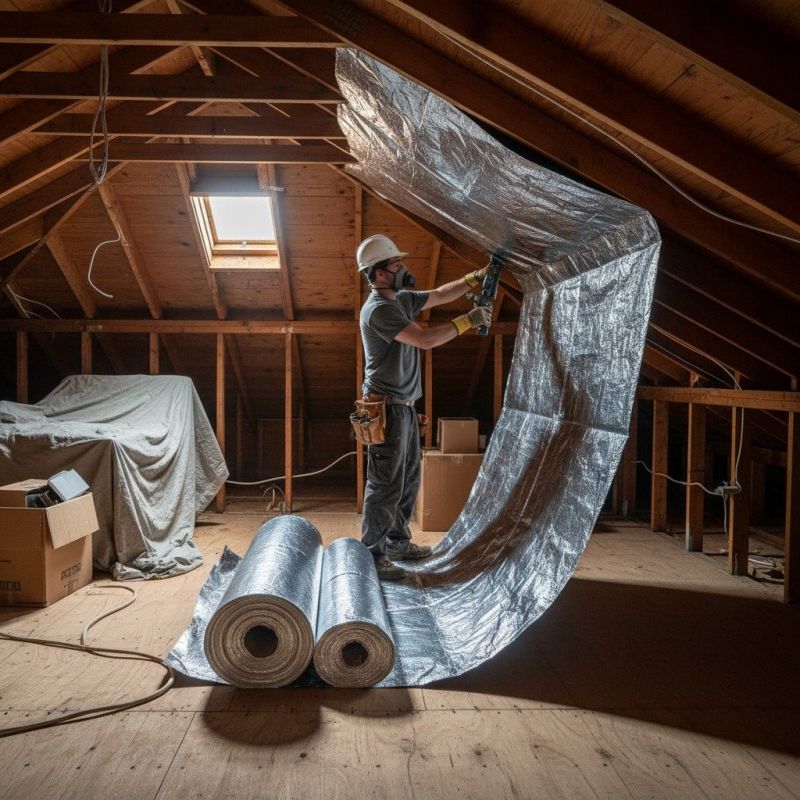
Before comparing contractors, clearly describe your rolled insulation project scope, experience, and written expectations.
- Verify the experience and expertise of local contractors in rolled insulation services. Ensure scope of work is clearly defined and included in written agreements. Compare multiple service providers to assess their familiarity with different insulation materials and installation techniques. Confirm that contractors understand the specific insulation needs of the property and can offer appropriate solutions. Check that all project expectations and responsibilities are detailed in writing to prevent misunderstandings. Look for contractors who can provide references or examples of similar completed projects.
Compare local contractors’ experience and clarify project scope to ensure successful rolled insulation installation.
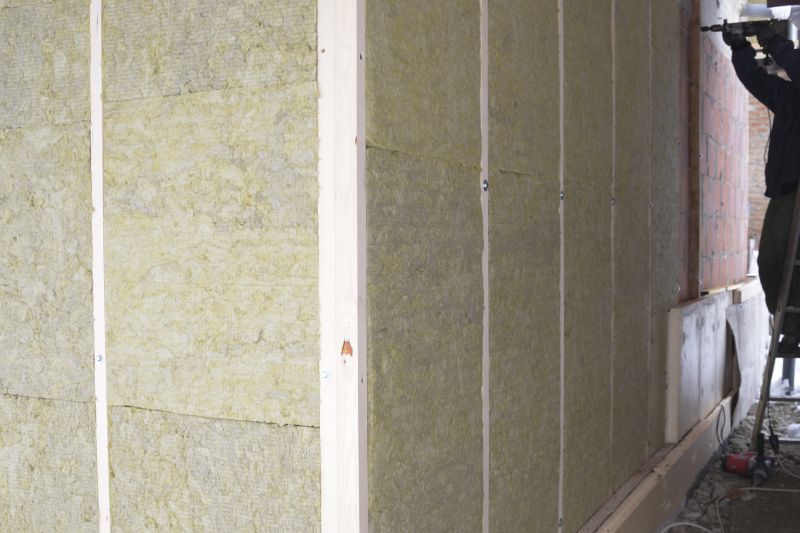
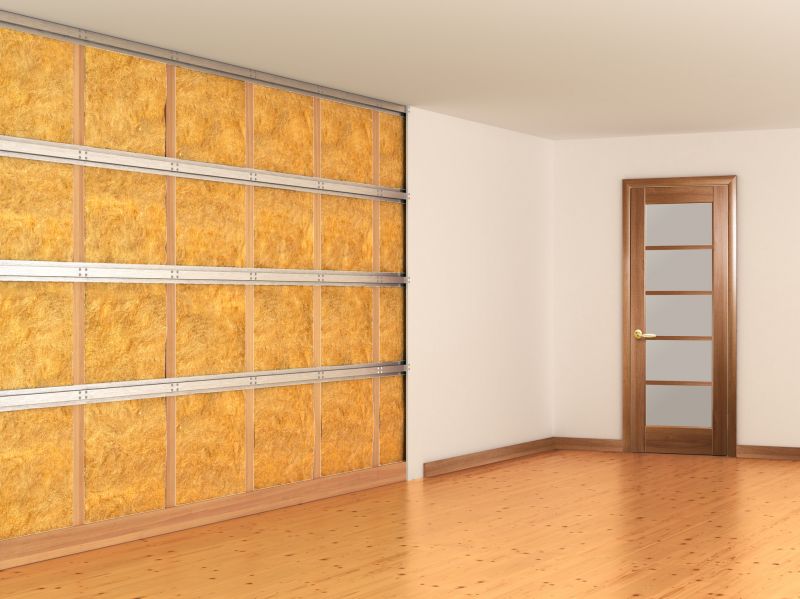
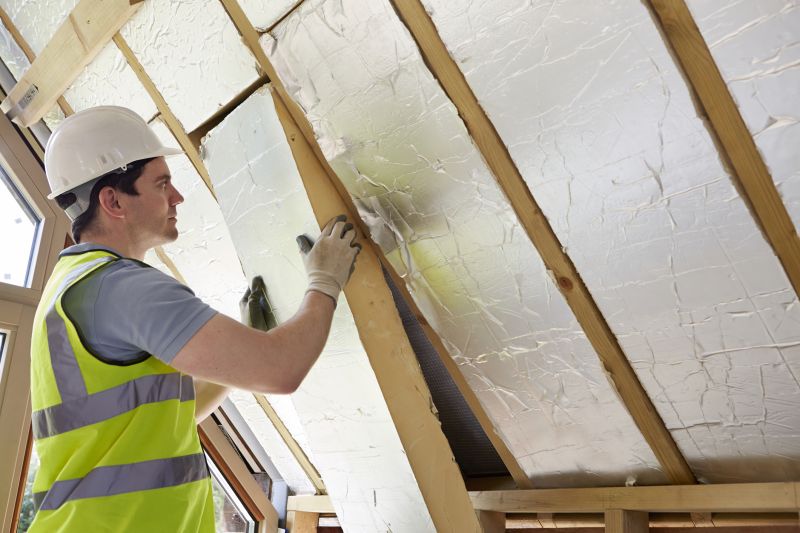
This scope builder helps compare local contractors, define project details, verify experience, and set clear expectations in writing.
- Scope Definition - Clearly outline the areas and surfaces where rolled insulation will be installed or replaced.
- Material Specifications - Specify the type and R-value of insulation material to be used for the project.
- Experience Verification - Confirm that service providers have relevant experience with rolled insulation installation or removal.
- Work Expectations - Document the scope of work, including preparation, installation, and cleanup procedures.
- Written Agreement - Ensure all project details, responsibilities, and expectations are documented in a formal agreement.
When comparing contractors for rolled insulation services, it’s important to assess their experience with similar projects. Homeowners should inquire about the types of insulation work they have completed in the past, especially in settings comparable to their own homes. Contractors with a proven track record in handling projects of similar size and complexity are more likely to understand the nuances involved and deliver results that meet expectations. Asking for examples or references related to past work in residential insulation can help gauge their familiarity with the specific demands of rolled insulation installations.
A clear, written scope of work is essential to ensure both parties have aligned expectations. Homeowners should seek detailed descriptions of what the project includes, such as the areas to be insulated, the materials to be used, and the steps involved in the installation process. A comprehensive scope helps prevent misunderstandings and provides a basis for evaluating the thoroughness of each contractor’s proposal. When reviewing options, it’s beneficial to compare how well each service provider articulates their approach and whether their scope covers all relevant aspects of the insulation project.
Verification of a contractor’s basic qualifications involves understanding their methods for ensuring quality and adherence to standards. Homeowners can ask about the steps contractors take to verify proper installation techniques, such as inspections or quality checks during and after the work. It’s also helpful to consider whether the contractor discusses how they plan to confirm that the insulation has been installed correctly and meets the project specifications. This verification process is a key factor in assessing the reliability of a service provider’s workmanship and their commitment to delivering a properly executed project.
When evaluating different service providers, it’s important to focus on the clarity of their communication and the thoroughness of their proposals. Homeowners should compare how each contractor describes their process, scope, and verification procedures in writing. Asking detailed questions about their approach can reveal the level of professionalism and attention to detail. A well-documented plan and clear communication help set realistic expectations and provide a solid foundation for a successful insulation project, making it easier to select the best fit for the specific needs of the home.
Ask contractors to provide written scope details to ensure clear expectations and consistent project understanding.
- **Experience and Credentials** - What experience do the local contractors have with rolled insulation installations?
- **Scope of Work** - How do the service providers define and outline the scope of the insulation project?
- **Comparison of Services** - What are the key differences between the services offered by various local contractors?
- **Project Expectations** - How do the local pros clarify what is included and what is not in the insulation service?
- **References and Past Work** - Can the service providers supply references or examples of previous rolled insulation projects?
How can I compare different contractors for rolled insulation services? To compare contractors, review their experience, ask for references, and verify their familiarity with the specific insulation needs of your project.
What should I include in the scope of work when hiring a contractor? Clearly outline the areas to be insulated, the type of rolled insulation to be used, and any preparation or cleanup tasks to ensure everyone has aligned expectations.
How can I verify a contractor’s experience with rolled insulation projects? Request details about their previous work, ask for examples of similar projects, and check if they have a history of handling projects comparable to yours.
Why is it important to have the scope of work in writing? Having a written scope helps prevent misunderstandings, ensures all parties agree on the project details, and provides a reference throughout the work process.
What questions should I ask contractors before hiring for rolled insulation installation? Inquire about their experience, the types of insulation they recommend, their process for preparing the space, and how they handle cleanup after the job.
How can I ensure a contractor is qualified to handle my insulation project? Review their experience, ask for references, and verify that they understand the specific requirements of rolled insulation installation for your property.
By exploring these details, visitors gain a clearer understanding of how to identify qualified contractors for rolled insulation services, define the scope of work, and establish clear expectations in writing. Comparing local service providers enables homeowners and contractors to make informed decisions tailored to their specific needs. Utilizing the quote form provides a straightforward way to connect with experienced local contractors who can handle the job effectively.
Encouraging visitors to use the quote form helps facilitate connections with reputable local contractors, making it easier to compare options and find the right service provider for rolled insulation projects. Taking the time to define project requirements and verify experience ensures a smooth process and sets the foundation for a successful outcome.